More Sleep, More Sex, More Refreshed Sleep is part of a 24-hour cycle: this essay concentrates on the period from dinner to help you get a full night’s sleep. At dinner, eat foods that are easy to digest! Lying in bed with your intestines wrestling with a high cuisine...
You are either Working for the Virus or Working for Your Fellow Man Explanations why people don’t get vaccinated have as much to do with the bias of the reporter as the data available. For instance, Black and Hispanic minority groups were labeled “hesitant.” The plain...
Main Image credit: Sumanley xulx from Pixabay Dear John, It has been three weeks since the first report of the omicron variant. The newspapers are filled with headlines with contradictory information. If you feel confused, you are not alone. What should one do about...
Image courtesy Larry Li on Unsplash In 2012, oncologist Joshua Schiffman of the Huntsman Cancer Center encountered an elephant that would change his life. He had taken his children to the Hogle zoo in Salt Lake City, Utah. They had recently lost their Bernese Mountain...
Why is it Not in Common Use? Cancer cells are hypermetabolic. They manufacture cholesterol at elevated rates to build new cell walls which enables their uncontrolled growth. In cell cultures, tumors deprived of cholesterol stop growing. Pravachol (pravastatin),...
Delta is Hunting You and Your Children Ins and Outs of Booster Shots Winter is coming. People will spend more time indoors, and the opportunity to spread Covid-19 is greater. Among the unvaccinated, the Delta variant is turning this into a massacre. Vaccination is...
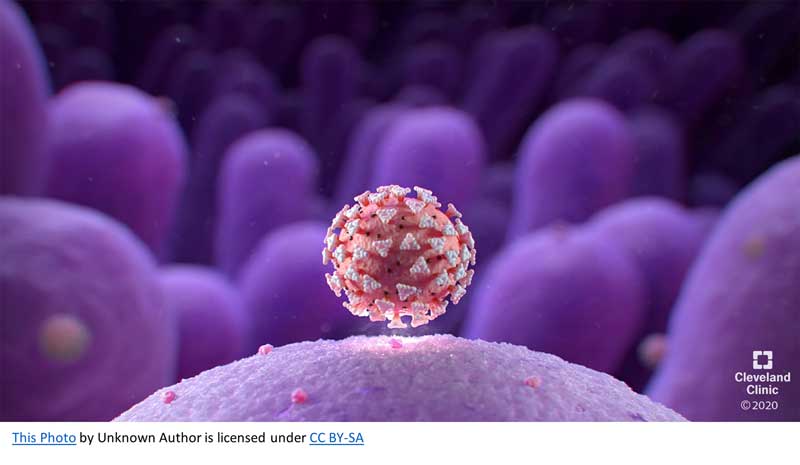
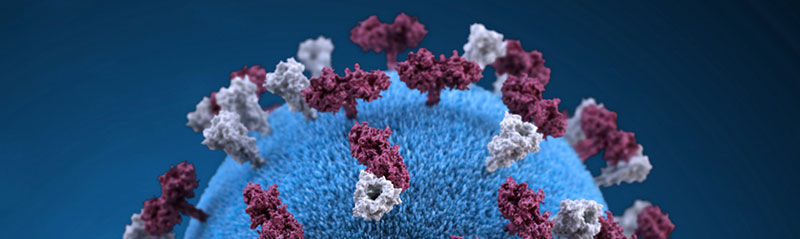
By Dr. James Katz, MD, MPH The Delta variant of COVID-19 is the fourth major mutation of the pandemic. It has modified spike proteins which attach more efficiently to human cells than the original COVID-19. Its genetic programming is more potent — infected cells...
Seven Minutes a Day is All It Takes To save money, save your teeth, and preserve your health. By Dr. James Katz, MD, MPH Inflammation of the gums is associated with heart disease, stroke, diabetes, rheumatoid arthritis, and pneumonia. DNA from oral bacteria have been...
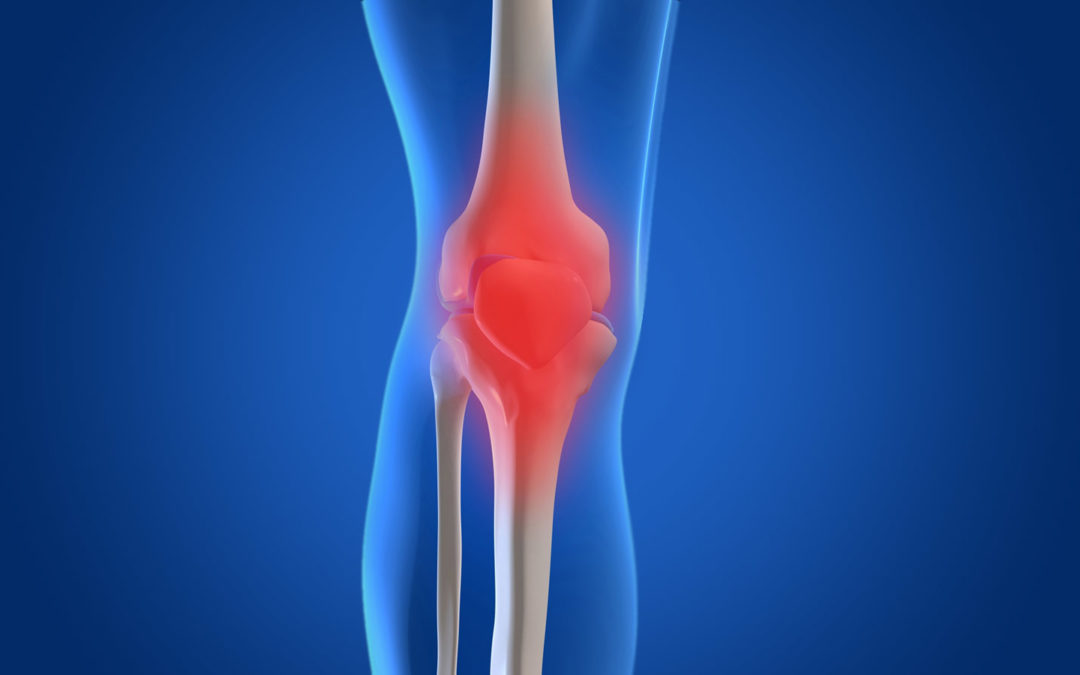
Main photo courtesy curearthritis.org A Guide to Avoiding Knee Replacement By Dr. James Katz, MD, MPH Last year there were 600,000 total knee replacement surgeries in the United States. Insurers spend five billion dollars on knee procedures per year. It is a...
By Dr. James Katz, MD, MPH A very pleasant bubbe (grandmother) came to the Moderna vaccination clinic in Newton for her first of two shots. She was concerned side effects from her second dose of the Moderna vaccine, scheduled for March 25, might interfere with her...
How to Build a Frankenstein Virus by Accident How could a virus escape a high security lab? Accidents in biosafety laboratories are frequent. The Wuhan Viral Institute has the largest collection of coronaviruses in the world. The WVI has safety issues; humanity is...
Is it More Dangerous? Will Vaccines Still Work Against It? A mutated Wuhan virus variant is fueling a growing coronavirus outbreak in Kent, England. It has spread in the background in nearly thirty other countries. Mutations in coronaviruses are normal and occur at a...
Modifying the Rink Works; Masks on the Players Does Not The governors of Massachusetts, Vermont, Maine, Minnesota, and other states have closed indoor ice rinks due to because they are COVID infection sites. Community skating rinks are designed to keep a slab of ice...
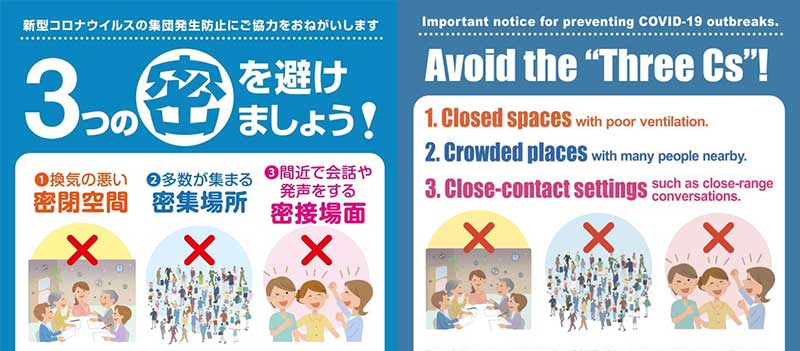
We are Standing on the Cliff with Our Toes over the Edge In the First Wave of Covid, we were led to believe the disease spread through surface contact or people coughing nearby. However, when Covid hit nursing homes, patients confined to their rooms succumbed to the...
Statins Prevent Coronavirus Infection Complications The statin drugs, such as Lipitor, Crestor, etc. reduce the severity of SARS-COV-2 (coronavirus) infections. In three separate studies, one in Malaysia and two at the University of California at San Diego, early...
Image by Gerd Altmann from Pixabay Justice Department Approves Pharmaceutical Monopoly to Manufacture Anti-COVID Antibodies James Katz MD The COVID-19 related collapse of the hospitals in Queens, New York, is burnt into the minds of Americans. Who would be the next...
Tested in a Total of 76 People …But It’s So Good, You Don’t Need to See the Data Russia approved the world’s first COVID-19 vaccine August 11. It has been tested in just 76 people. It is to be given to a small number of citizens from vulnerable groups, including...
On January 24th, Singapore became the first country to mandate mask wearing for all citizens. In February, The CDC and WHO advised “masks do not benefit average citizens.” April 24, the CDC advised wearing a mask to “protect other people.” In June, that changed to...