Address:
20 Park Plaza, Suite 804
Boston, MA 02116
978-888-7999
Address:
20 Park Plaza, Suite 804
Boston, MA 02116
978-888-7999

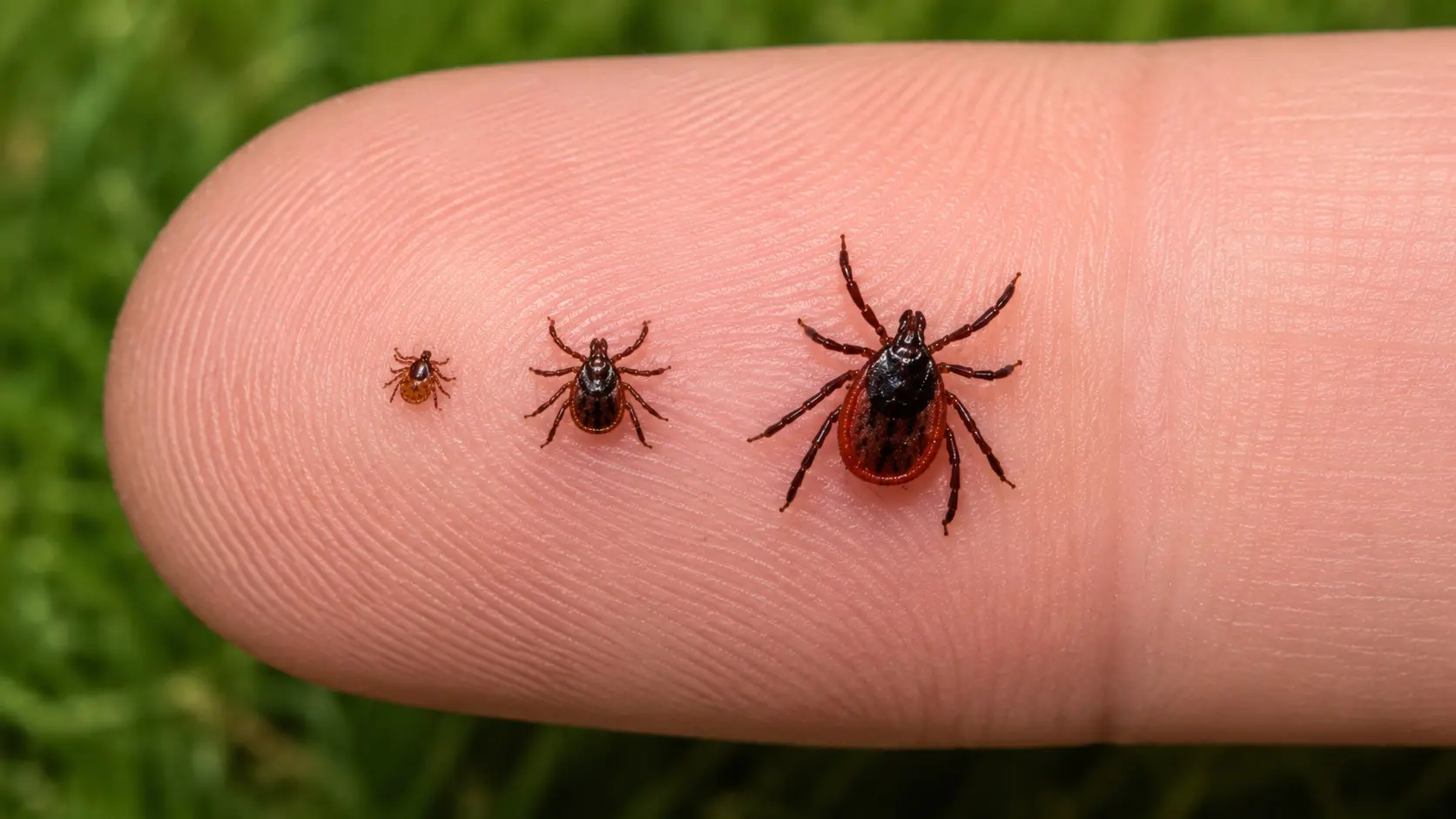
Sarah still thinks about that Saturday hike at Blue Hills Reservation. She and her daughter did everything the experts say — long socks, light-colored clothes, staying on the trail, and bug spray. They still came home with ticks.
“Mom, you’ve got a freckle behind your knee. And it’s moving.” Her daughter spotted it from the bathroom doorway that evening. Sure enough — a tick. Another one turned up on her daughter’s boot. A quick call to the pediatrician was reassuring; neither tick had been attached long enough to be a problem.
Ticks go through larva, nymph, and adult.
They are infectious during the nymph and adult stages.
Lyme disease is common, often missed by doctors, and easy to overlook. Blue Hills, just outside Boston, is full of white-tailed deer, and where there are deer, there are ticks. But ticks aren’t just a woods problem anymore. They’ve been moving into everyday life for the past thirty years.
They show up in apartment buildings. On boats. They hitch rides on buses and delivery boxes. They come home on your dog, even one wearing a flea-and-tick collar. If you walk a dog at Cunningham Park or along Blue Hills, you already know: the threat doesn’t stay in the woods.
The common deer tick can live for weeks in dry air and survive more than three days underwater. It waits in tall grass, leaf piles, backyard shrubs, and lakeside cabins and slowly moves toward anything warm. It can smell your breath and feel your footsteps. When it starts moving toward you, it crawls about one foot per hour.
The Lone Star tick is a different story. It chases. It can cover four feet per minute, and its bite can trigger a serious red meat allergy that lasts for years.
The best protection we have comes from an unexpected place: a flower. In 1995, the Army learned that chrysanthemums produce a natural bug-killer called pyrethrum. A version of it — permethrin — is now used widely in farming, including on organic farms, and is the standard treatment doctors use for scabies in babies and pregnant women.
The army reduced troop Lyme disease by 99% with Permethrin-treated uniforms.
The military’s experience tells the story plainly. Thirty years ago soldiers got Lyme disease at one-sixth the rate of civilians — mostly because of better training and mandatory tick checks. Then the Army introduced permethrin-treated uniforms. By 2020, the tick population had quadrupled and so had the civilian rate. Meanwhile, the military rate plummeted 99%, making it one 60th the civilian Lyme rate. The difference wasn’t luck. It was treated fabric.
Regulators are not worried about permethrin. The EPA considers it safe at household levels. Cancer researchers found no link to cancer. There are no documented cases of breathing problems, heart issues, or nerve damage from normal home use. One study found treated fabric could be worn for over 200,000 hours without harm. For comparison: permethrin is less toxic than Windex or Formula 409.
Permethrin is less toxic than Windex.
Permethrin-treated clothing is sold at L.L. Bean, REI, and EMS, or on Amazon from Insect Shield. A pair of treated socks runs about $11–$17 and stays effective through 50 washes. Sawyer makes a permethrin spray for around $17 that you can apply to shoes, socks, and kids’ school clothes. No smell, no staining. Available at ACE Hardware and Home Depot, it holds up through about six washes.
Ticks work from the ground up — they start at your feet and climb. Treated socks are the better buy for most people. The spray is especially useful for children, whose clothes change size before the bottle runs out. Either way, you’re stopping ticks before they reach skin.
It’s been a wet winter and spring, which means more ticks this summer than usual. After thirty years of military use, permethrin’s safety record is hard to argue with. A pair of treated socks won’t spoil a walk around Turner’s Pond or an afternoon at Cunningham Park. But skipping them just might.
Sarah and her daughter have been hiking in the Blue Hills trails again. They sprayed Permethrin on their boots and wore high hiking socks with Permethrin infused in the fabric. They did tick checks when they got home but they had not seen another tick for the season. Nothing is a guarantee, but this was worth the effort.