Address:
20 Park Plaza, Suite 804
Boston, MA 02116
978-888-7999
Address:
20 Park Plaza, Suite 804
Boston, MA 02116
978-888-7999

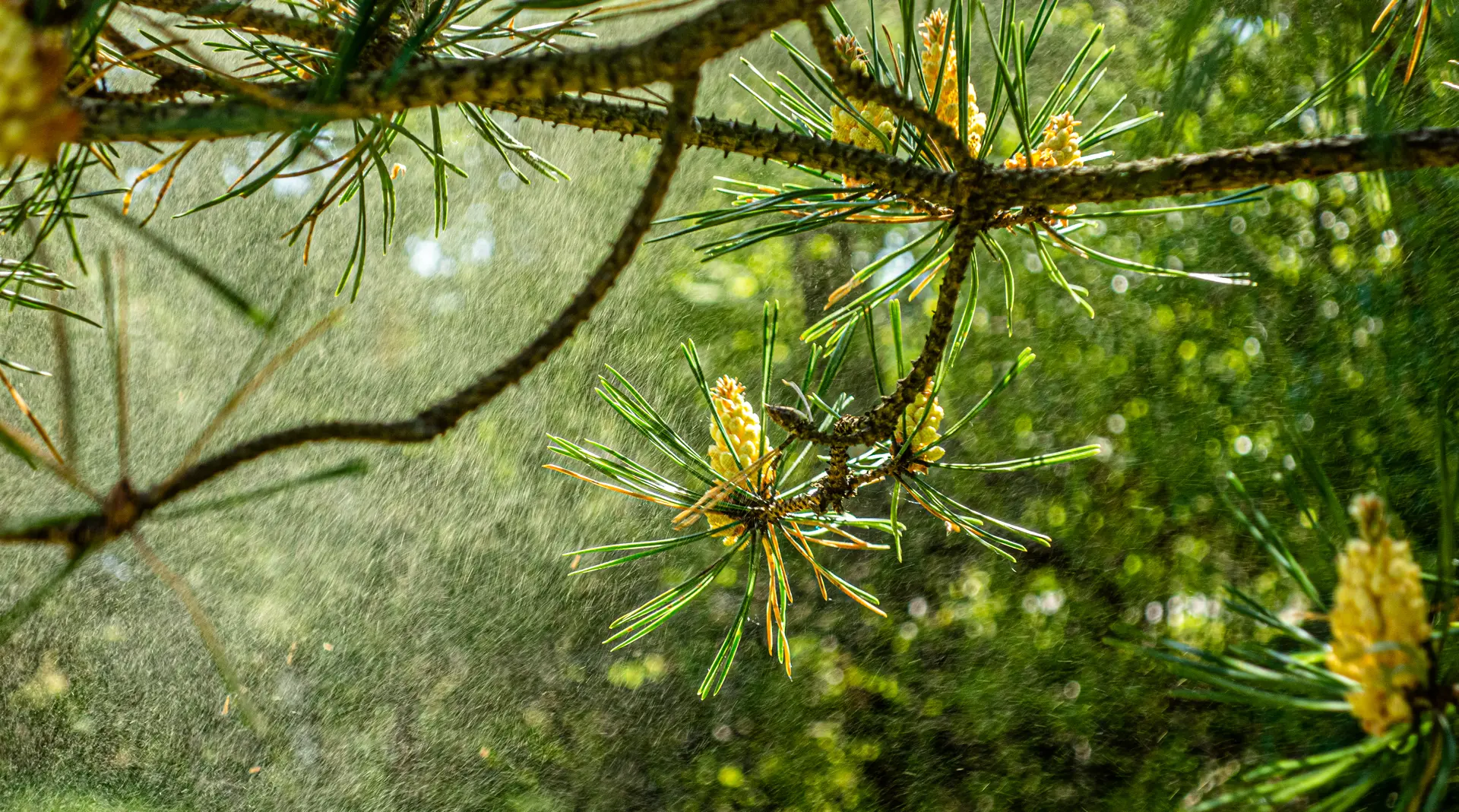
If you’ve been sneezing, rubbing your eyes, or waking up with a sore throat this spring, you’re not imagining it; this allergy season is worse than usual. Tree pollen levels are extreme. A darker, colder, and wetter winter delayed pollen release, and the sudden change to bright, warm, and dry days forced Maple, Poplar, and Juniper trees to expel huge quantities of pollen all at once. I specialize in preventive medicine, and the principle is simple: prevent expose to allergens, the you’ll have far fewer symptoms.
Dr. Purvi Parikh, a New York City-based allergist and immunologist, confirms the trend: “We’ve been seeing a general trend that allergy seasons have been getting more severe due to rising temperatures.” CNBC (CNBC, March 2026)
Unusually high winds this spring have compounded the problem. Tree pollen is extremely light, and wind carries it everywhere; significant quantities have been detected 6,000 feet up. High-rise living offers no protection.
The Key Idea: Allergen Load Is Cumulative
Before getting to specific remedies, one insight makes everything else make sense. Allergic reactions are not just about what’s outside — they’re about your total allergen burden. If your home has dust, mold, smoke, or long-haired pets, each one adds to the stimulus your immune system is already managing. By the time you step outside, you’re already partway to a reaction.
The flip side is equally important: if your mucous membranes get a genuine rest in a clean indoor environment, your intensity of reacting outdoors diminishes. Inner-city children, given bedroom HEPA air filter units reduced their need for medication, doctor visits, and emergency department care by fifty percent. Controlling your indoor environment is one of the most effective things you can do for your outdoor symptoms.
Dr. Neeta Ogden, allergist and spokesperson for the Asthma and Allergy Foundation of America, puts it plainly: “No matter where you live, there are options for managing your seasonal allergy symptoms. Managing pollen exposure, using over-the-counter medicines, and possibly immunotherapy can all play a role.” Asthma & Allergy Foundation of America (AAFA Allergy Capitals Report, 2025)
People with no allergy history are experiencing red eyes, runny noses, sore throats, and coughs this season. Those who are more sensitive are seeing exacerbations of asthma, bronchitis, and sinusitis. Both groups benefit from what follows.
The main indoor allergens are dust mites, pet dander, secondhand smoke, mold and fungi, and dust-trapping surfaces like carpets. Outdoor pollen entering through open windows adds to all of these.
Practical steps that make a real difference:
The science backs this up. A controlled study of 937 inner-city children with atopic asthma, conducted by the Inner-City Asthma Study Group and published in the Journal of Allergy and Clinical Immunology, found that targeted environmental interventions including bedroom HEPA filters produced meaningful reductions in both allergen levels and asthma symptoms. (Morgan et al., Inner-City Asthma Study Group; reviewed in Current Allergy and Asthma Reports, 2011)
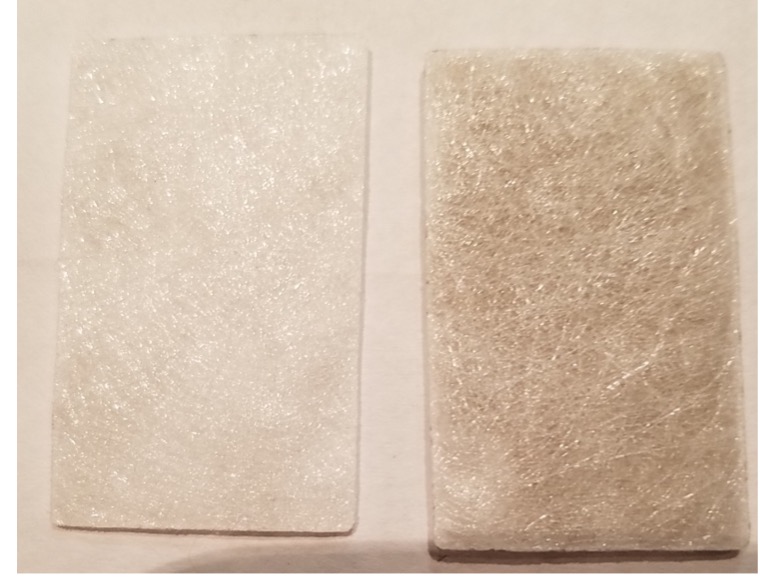
Your machine has a small sponge filter covering the air intake. Pollen filters designed for this panel are available from your CPAP supplier or on Amazon. The difference in what they catch over two weeks of use is striking. Change them frequently during high-pollen season.
One reason allergy medications can feel hit-or-miss is that outdoor allergen levels vary by a factor of ten or more from one day to the next. Several days of heavy rain can reduce pollen to nearly zero; one hot, sunny day drives it back to severe levels. Trying to medicate reactively, only when symptoms appear, is difficult.
Current thinking favors a proactive approach. Dr. Florence Ida Hsu, allergist and immunologist at Yale School of Medicine, explains: “We recommend starting allergy medicines as soon as allergy season starts because as the season progresses, without treatment, symptoms can snowball, and congestion and inflammation get worse and worse.” Yale News (Yale News, April 2026)
She adds that nasal steroid sprays are a cornerstone of that approach: “The nasal steroid sprays are our go-to because they don’t just treat the symptom of the histamine release, but they actually control nasal inflammation from allergen exposure.” Yale News
Clinical guidelines support starting nasal corticosteroid sprays at least two weeks before peak season, as they reach maximum efficacy only after continued use. (Clinical Advisor, 2025) The goal is to stabilize your immune response rather than chase a constantly moving pollen count target. Talk with your physician about what makes sense for you.
If your symptoms are frequent or severe, immunotherapy is worth a serious conversation with an allergist.
Allergy shots (subcutaneous immunotherapy) build tolerance through gradually increasing injections. According to the American College of Allergy, Asthma & Immunology, “allergy shots have been a proven treatment for more than 100 years. It is the only treatment that changes the immune system and prevents new allergies and asthma from developing.” ACAAI (ACAAI) Reaching a therapeutic dose takes four to five months, so this won’t help for the current season — but it’s worth starting now for next year.
Sublingual immunotherapy: dissolving small doses of an allergen under the tongue achieves similar tolerance-building without injections. The World Health Organization has endorsed sublingual immunotherapy as a valid alternative to injection therapy, and Johns Hopkins Medicine notes that “dangerous allergic reactions such as anaphylaxis are very rare with sublingual immunotherapy, and no fatalities have been reported to date.” Johns Hopkins Medicine (Johns Hopkins Medicine) Since first writing about seasonal allergies in 2012, I’ve watched sublingual and oral immunotherapies become licensed for a growing range of allergens, including peanut allergy. Ask your allergist whether a sublingual option exists for your specific triggers.
For those who would add a “natural” immune therapy, locally grown honey has a rich supply of the pollens specific to your area. The recommendation is to start with teaspoonful or less around March. However, with unpredictability of our weather relating to our changing climate, a later start may be in order.
Every allergen your body doesn’t have to fight indoors is one less burden your immune reaction outdoors. Clean up your sleep environment, get ahead of medications before symptoms peak, and if this season has been genuinely debilitating, talk to an allergist about building long-term tolerance. The pollen won’t cooperate — but your environment and your immune system, with some help, can.