Address:
20 Park Plaza, Suite 804
Boston, MA 02116
978-888-7999
Address:
20 Park Plaza, Suite 804
Boston, MA 02116
978-888-7999


I’m Walking on Sunshine (And Don’t It Feel Good!)
— Katrina and the Waves
At the heart of circadian health is your internal clock. Light-sensitive proteins in the eye—melanopsin and neuropsin—signal the brain’s master timekeeper, the suprachiasmatic nucleus (SCN), which controls alertness, hunger, energy, immunity, sleep, and indirectly detracts from libido and sociability because of fatigue.
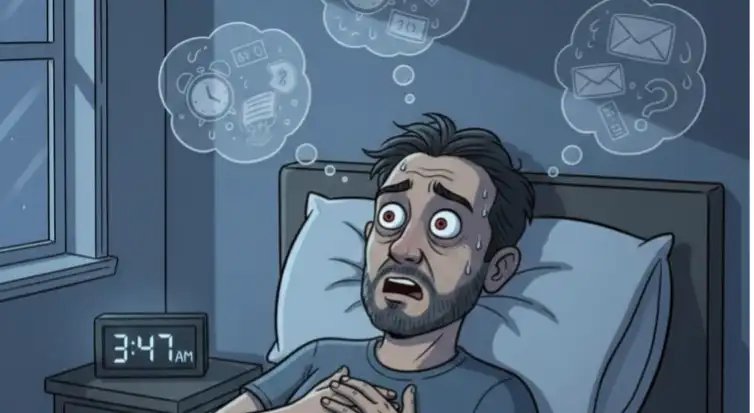
Cortisol, the hormone for preparedness, begins rising at 2–3 a.m. The SCN suppresses melatonin and sleepiness, increases cortisol, and responds to ultraviolet light by helping the brain make serotonin, the daytime “feel-good” hormone. Cortisol peaks in the afternoon. Bright artificial light at night confuses the SCN, flattens cortisol production, and leaves you groggy and out of sync. Blue light from screens worsens this by suppressing dopamine, weakening the brain’s reward system, and making technology more addictive.
Timing matters as much as calories. Food burns more efficiently in the morning. In World War II, U.S. Army tests showed troops who ate in the evening gained weight; those who ate in the morning lost weight, despite equal calories.
Humans evolved under sunlight. Electric light is recent—about 200 years old—and disrupts sleep and waking patterns. It extends the workday into night shifts but does not activate the body’s circadian system as natural dawn does. Incandescent bulbs may lift mood in winter, but artificial blue light at night causes problems.
Sunrise alarm clocks shift from orange to white over half an hour. They resemble dawn but lack the near-UV and near-infrared light that signals the brain’s clock. They may help you wake up, but they do not reset your internal rhythm.
Blue light from screens and lamps suppresses melatonin, delaying sleep and lowering sleep quality. It can shift your circadian rhythm. Modest blue light from a lamp or wood fire is unlikely to disrupt sleep or cause fatigue the next day.
Blue light at night also sharply suppresses dopamine, a key motivation hormone. Artificial light disrupts the reward system. The more time spent with screens after dark, the less satisfaction you get from them. Technology stimulates and drains the system—a clever trap.
Chronobiology is the science of how our body’s timing affects health. It studies the rhythms that guide sleep, energy, hunger, and more. Today, chronobiology helps match medications, meals, and activities to your body’s natural clock for better results. For example, taking medicine at the right time can make it work better. Eating in the morning, when your metabolism is most active, helps maintain a healthy weight. Even exercise and sleep routines benefit from being timed to your internal rhythm.
In short, chronobiology recognizes that when you do something can be as important as what you do. By syncing your habits with your body’s clock, you can improve sleep, energy, and overall health.
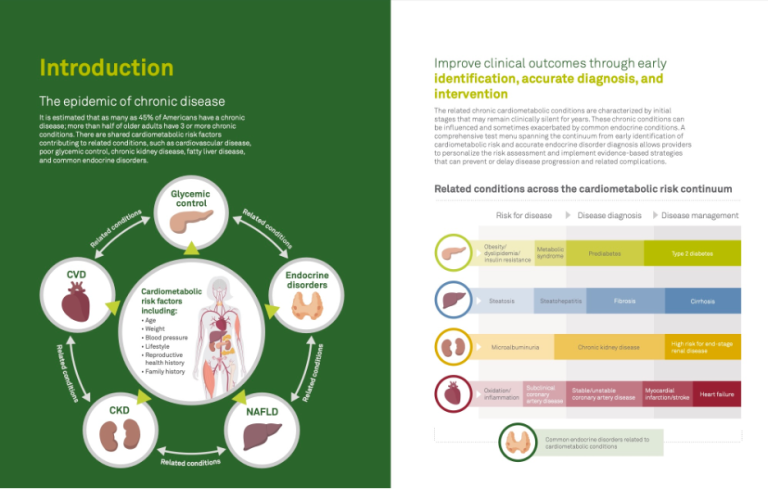
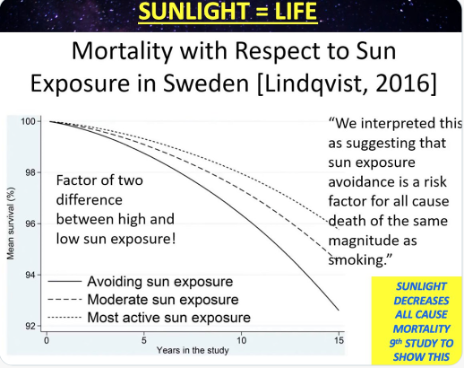
Modern life disrupts rhythms: we spend days indoors under artificial light and evenings with blue glow from devices. This raises risks for obesity, diabetes, depression, and certain cancers. Low sunlight exposure is linked to shorter lifespan.
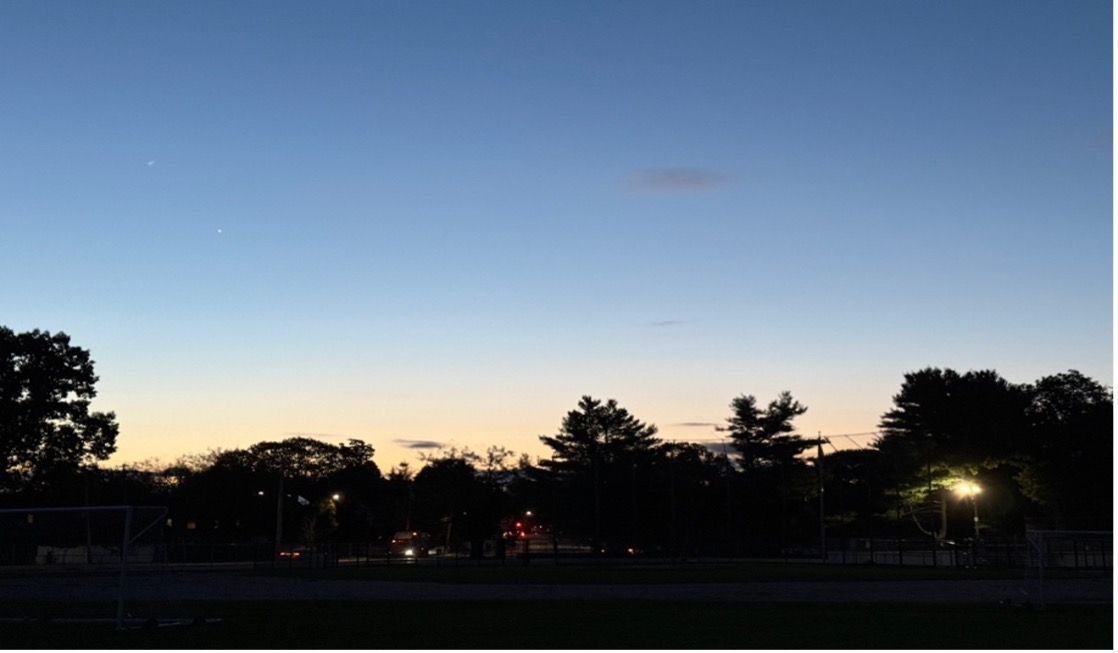
Every dawn feels like a reset. The sun has been sending these signals for ages, but I only benefit when I stop and notice them. At 6:47 this morning, I stood behind my house and watched the sky open. It looked blue at first glance, yet the soft “rosy fingers” of dawn were still working on my SCN. I even caught the moment on my iPhone. In Boston, the sun rises around 7. I’m outside by 6:30, facing east, no glasses, letting the light do its quiet work. As winter approaches, I can start a little later each day, right up to December 15. The wavelengths will reach me, even if the sky appears blue or mild cloud cover.
Dr. Nadelberg and I frequently speak of mixing and matching foods to make balanced dishes, rather than counting calories or trying to stay on restrictive diets. Below is an example of a good winter breakfast that balances carbohydrates and proteins, has beneficial fiber, and can be modified from day to day.
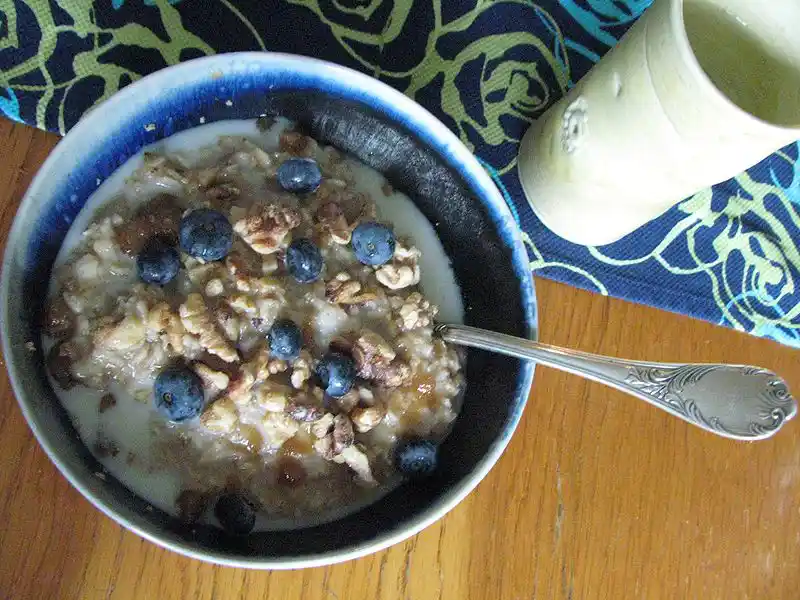
Ingredients: