Food and Drug Administration Issues Warning on Statin Drugs

Posted on April 11, 2012

 Don’t let the left hand know what right is doing – Joe Tex

On February 28, 2012, the FDA announced a warning that all statin drugs – the best known are Lipitor and Crestor – could raise blood sugar, aggravate Type II diabetes, and create cognitive impairment.  Two FDA doctors issued contradictory statements about this warning.  Mary Parks, M.D. authored the warning to apply to all drugs in the class.  Amy Egan, M.D. was interviewed for Medscape, and stated that different statins had different levels of risk.  Her interview reflected the data that pravastatin, which has been in use since 1988 (and is now generic which is why you don’t see it advertised), is significantly safer than its more famous peers.

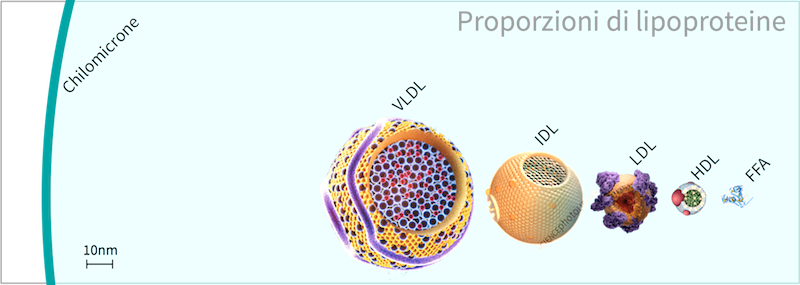
Politics and medicine have always made uncomfortable bedfellows.  Think of C. Everett Koop, MD arguing with the Reagan administration about the existence of the HIV/AIDS epidemic. The science of lowering cholesterol is straightforward. Cholesterol, and its sub-fractions, are factors in reducing heart disease, but only in about one third of heart disease cases. The statin drugs reduce LDL, but in the long run, their anti-inflammatory effects may be more important. The politics is also straightforward – Lipitor and Crestor are multi-billion dollar drugs, and have been accorded kid-glove treatment when it comes to reporting of side effects. Political observers don’t think it is entirely coincidental that Lipitor’s side effects have become more public as it loses its patent protection and earning potential. The London School of Tropical Hygiene reported on statin side effects ten years ago (10% patient drop out in year one, 20% drop out in year two), but the FDA somehow maintained a tin ear.

So while all the statins can have the same side-effects, pravastatin has always had the fewest. Pravastatin has better pharmacokinetics than other statins. Pravastatin is water soluble, and is excreted through the kidneys quickly. Fat soluble drugs penetrate muscle and brain to a much greater degree, and stay in the body much longer, which can lead to somewhat lower cholesterols, but unfortunately greater side effects.  Pravastatin, being rapidly excreted from the body, allows the cholesterol enzyme system time to recover. Lipitor is fat-soluble and is associated with a higher incidence of muscle pain and cognitive dysfunction. Crestor, though water soluble, has a half-life of almost a day, so the cholesterol enzyme system has no chance to recover, and has the higher incidence of diabetic dysfunction.

More important, pravastatin is an effective drug. In the West of Scotland Coronary Prevention Study (WOSCOPS, NEJM, 1991), pravastatin was compared against all existing therapies and shown to be the only one with significant benefit.  Followed up 10 years after the study ended, the pravastatin group had a 24%, decreased risk of death from coronary disease and a decreased rate of death from all causes excluding coronary disease. 30% of patients taking pravastatin had reductions in blood sugar and hemoglobin A-1 C as well. In comparison, in the JUPITER trial (Justification for the Use of Statins In Primary prevention Intervention Trial), patients taking Crestor had a 0.59% advantage in coronary survival – when total mortality was added in ( 31 more people in the Crestor group died from other causes), the resulting is zero net benefit, and 20% of patients had blood sugar elevations.  In epidemiologic circles, we don’t get excited about drugs that don’t change death rates. In comparison to the other drugs in the class, pravastatin had the lowest incidence of muscle pain.

One should take this FDA warning with a large grain of salt. The underlying problem in atherosclerosis is inflammation of the artery wall. With Integrative medicine, we seek to decrease is inflammation through application of all interventions that have scientific backing. Diet, exercise, pharmaceuticals, vitamins, and supplements allow us to attack the cycle of inflammation at multiple points. Small doses of Omega-3 fish oil, cold milled flaxseed, aspirin, low carbohydrate diets, Vitamin D and niacin, when used with small doses of pravastatin, create an anti-inflammatory environment that protects artery walls as well as other organs.


Genomics, proteonomics, epigenetics, and stem cell biology hold great promise for our future health, but also almost unlimited opportunities for the opportunists in pharmaceuticals, supplements, and, of course, Wall Street, to touch the public’s hopes, fears, and wallets. It is similar to the biotech “revolution: of the 80’s. I helped write an investment letter in the ‘80’s (The Dow Doctors), separating hype from hope. In future letters, I will cite more financial implications. ). If you don’t wish to receive these messages, just let me know and I will darken your inbox no more.  The advice below is Dr. Katz’s observations and constitutes neither medical or investment advice.


———————————————————————————————————————————-

Posted in Diet, Heart Disease, Inflammation, Vitamins | Tagged , , , , , | Leave a comment

Vitamin D Prevents Alzheimer’s disease in Cellular Experiment

Posted on March 21, 2012

Alzheimer’s disease has achieved the status of a modern nightmare.  There are over 5 million people with the disease, it is quoted as the sixth leading cause of death, and no currently available treatments significantly reverse the course.  The reality is patients with neurodegenerative diseases are frequently misdiagnosed, people with Alzheimer’s disease frequently die of other causes, but lack the ability to communicate symptoms. Lacking an understanding of the physiology, treatments effects are relatively random and not dramatic.

Worldwide Distribution of Alheimer's Disease

Since we humans take time as a species to evolve, shifts in disease patterns are more likely due to changes in our environment and our food supply than genetic mutations.   Lung cancer was relatively unknown until cigarette smoking became popular, and has declined with the decline in cigarette smoking.  Tuberculosis was once thought to be a genetic disease because  generations of the same family had “consumption.” However, when crowded living conditions became less common, and nutrition improved, the epidemic receded.  One disease was cancerous, the other was infectious, but both were related to environmental causes.

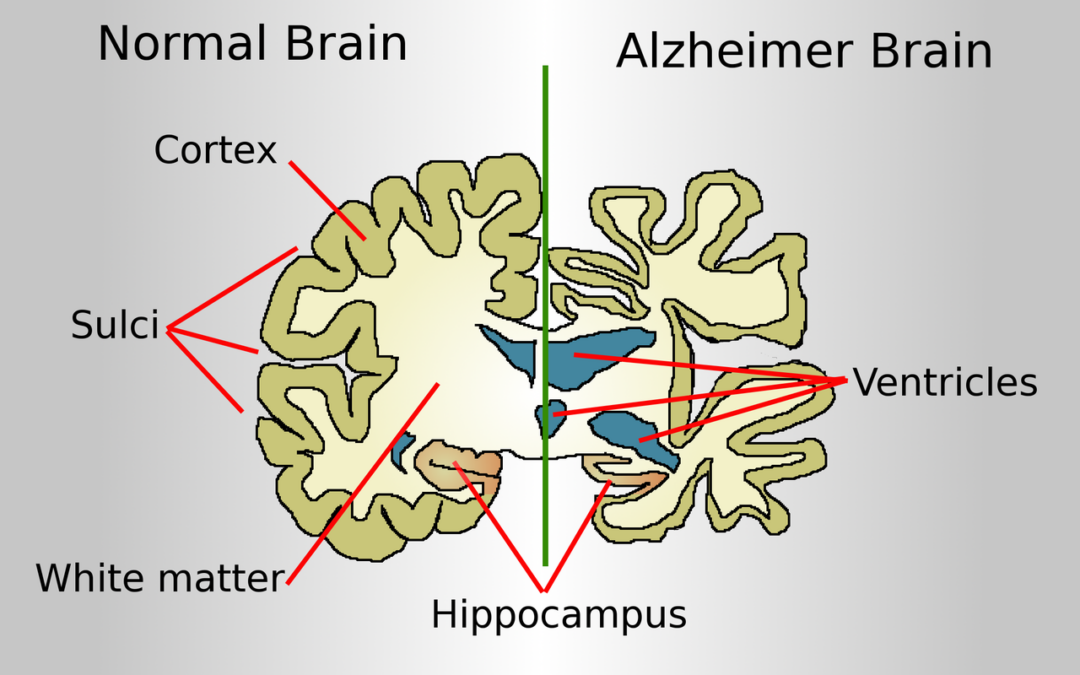
We have a fascinating report from the Journal of Alzheimer’s Disease under the authorship of Milan Fiala, MD. One of the emblematic changes in the brain of Alzheimer’s patient is amyloid, a type of scar substance that scars and shrinks the brain.  Some believe it is the cause of Alzheimer’s disease, while others believe it is the result of inflammation in Alzheimer’s disease.  Dr. Fiala identified the macrophage which digests amyloid in Alzheimer’s disease. In cell culture, vitamin D deficient macrophages could not remove amyloid and it accumulated.  Vitamin D sufficient macrophages were able to remove and digest the amyloid.  To quote, “these findings support the recent speculation that vitamin D sufficiency may be a key factor in Alzheimer’s disease prevention.”

Healthy Brain (Left) vs Alzheimer'Disease

Here at Age Management Boston, both Dr. Nadelberg and I maintain a healthy skepticism of cell culture studies.  The history of medical research is that we fail frequently when applied to human outcomes. We like studies on people, especially when there are thousands of participants who are followed for long periods of time.  And what we like best is when human and biologic studies dovetail the same conclusion.

Dr. David Llewellyn, one of the researchers in the Third National Health and Nutrition Survey (NHANES III) ongoing study of people’s health  (thousands of people starting in 1971) which has finished its third decade, has reported that vitamin D deficiency is associated with an increased risk for cognitive impairment in older Americans.  Nutritional supplementation with vitamin D in the same observational study has been shown to protect against cognitive decline in the elderly.

So if too little vitamin D predisposes you to Alzheimer’s disease, and more vitamin D may prevent it, what is enough vitamin D?  The level is certainly higher than the lab “normal” your doctor uses.  The American Journal of Clinical Nutrition proposed a level twice “normal” and recommended a maximum daily dose of up to 10,000 U of Vitamin D3 daily.  These recommendations have generated controversy. You should consult your physician for your individual needs.

American Journal of Clinical Nutrition, Vol. 85, No. 3, 649-650, March 2007


Posted in Alheimer's Disease, Dementia, Diet, Health & Fitness, Vitamins | Tagged , , , | Leave a comment

Dr. Scholl’s and the Agony of Da Feet

Posted on March 4, 2012

When one arrives at manhood by the age of 14, standing 6’2″ tall, but ambulating on size 13-A feet, one begins a lifelong relationship with Doctor Scholl’s.  I first made his acquaintance hiking the Appalachian Trail.  There were no hiking shoes that actually fit my feet, even with three pair of socks, but there was Doctor Scholl’s Moleskin for the blisters at the end of the day.

When my recreational career turned to running, I almost broke down with joy at the discovery of the New Balance outlet in Allston.  At last I could find shoes narrow enough to fit my feet.  However, the original New Balance shoe wasn’t quite designed for 225 pounds of runner.  Doctor Scholl’s once again came to the rescue with Air Pillow Inserts.

Over the years, my feet have lengthened and widened.  I removed the arch supports in most new shoes because my feet are so flat.  I understand this is an occupational hazard for hikers.


I have a special pair of loafers for winter.  They have a very thick sole and fairly rigid leather from years of waterproofing.  This year, walking in them, caused some pain in my knees and hips.  I knew that the source of the pain was my abnormal gait, and could be corrected with orthotics.  However, rather than call my favorite podiatrist, I went to Walmart.


There I found a Doctor Scholl’s kiosk.  I went through a five-minute exercise of placing my feet on the markings on the platform and changing the amount of weight and placement of each foot according to the computers commands.  Within a minute the computer had identified an orthotics appropriate for me, which is quite remarkable considering that my feet are so large and have abnormal anatomy.  I placed the C F440 model orthotics in both shoes and started walking.  Within a week, the pain in my knees and hips had gone and comments lead me to believe I was standing with better posture.


Whether the Doctor Scholl’s orthotics are worth the $50 price tag will largely be related to how well they wear.  For fit off-the-shelf, however, I find them easy to recommend.

Posted in Exercise, Health & Fitness, Hype | Tagged , , , , | Leave a comment

How to Survive the Super Bowl: Hypothermic in Indianapolis

Posted on January 30, 2012

Predictions for Sunday evening Super Bowl in Indianapolis are for temperatures below 32°. If you are in the stadium, or outdoors, you have significant risk of hypothermic injury. The following are advice from the U.S. Army and other experts:

How NOT to dress!

  1. Keep your skin dry. Wear synthetic fabrics as your primary layer of clothing -they wick moisture away from the skin. Wear several layers of insulating fabrics over them. Recreational Equipment, Eastern Mountain Sports, and Under Armour have everything from socks to facemasks. If you don’t have access to these fabrics, then try to change socks frequently.
  2. Do not wear every item of clothing and make yourself into a tight bundle. This will not allow moisture to escape to the atmosphere, and the wetter you get, the colder you will get.
  3. Most of your heat loss is from head, hands and feet, so hats, scarves, mittens, and insulated boots are in order.

    Many Breathable Layers

  4. Dehydration increases heat loss. Alcohol and caffeine increase water loss and should be avoided. Nicotine constricts arteries and decreases blood flow to the extremities. Drink water and warm beverages.
  5. It is important to eat so you have calories to burn.
  6. It is important to remain active, whether moving arms and legs, or taking frequent trips up and down the stadium stairs.
  7. Blankets and wind breakers are important to prevent convection loss of heat.
  8. Heart attacks increase in cold weather, especially with exertion such as snow shoveling or failing to take breaks while walking up the stadium stairs.
  9. Breathing in frigid air can cause coronary constriction, so wearing a scarf or facemask is advisable.
  10. Vitamin D levels drop in the winter, and those with low levels are more likely to have heart attacks than those with normal levels. Fatty fish such as salmon, or vitamin D supplements are recommended.
  11. Influenza increases the risk of heart attack: the flu virus is active until March, so if you haven’t gotten your flu shot yet, it still may be useful.
  12. Prolonged exertion, similar to intense exertion, also increases the risk of heart attack. The majority of people who die running the marathon do so during the last 6 miles. Cold weather is a time for gentle exercises.
  13. Alcohol binging, so-called “holiday heart” causes abnormal cardiac rhythms, which are unhealthy and can also lead to heart attack.

Plain Wool is too Porous – These mittens need covers

In summary, wear hats, scarves, gloves and well insulated boots, keep well hydrated and wear fabrics that let your skin breathe, and get up and move around periodically.

Sources: Medpedia – Cold Weather Injury Prevention Military, Intermountain Medical Ctr., New York University Hospital, Texas Heart Institute, Emory University, Men’s Health Magazine, New England Journal of Medicine

Posted in Uncategorized | Leave a comment

Vitamins Fight Infections; Caloric Restrictions Increase Them

Posted on January 22, 2012

Metabolism is amazingly complicated which is why you read opposing headlines on alternate days. One day vitamin C cures everything, the next day it is fodder. At Age Management Boston, we try to confine our recommendations to those nutrients that have the best scientific evidence. There are a wealth of nutritional philosophical camps and numerous proponents – separating fact from opinion takes time and judgment.

We have three contributions to get this year started. Niacin, which is so effective in reducing cardiovascular disease, is reported by George Liu of UCLA to cause an immune response (in mice) that is sufficient to kill multiple resistant staph aureus (MRSA). Now MRSA is a modern plague, in which bacteria share small snippets of genetic material which disable the majority of the antibiotics with which we grew up. Whether niacin will enhance antibiotic performance in humans is unknown, but when a new and novel medical interaction is discovered for a problem this large – vitamin enhanced antibiosis – it deserves mention. And we will follow this one up.

MRSA Resitant Bacteria

Penecillin Won't Cure This

Sticking with the same subject – vitamins and infections – Carlos Camargo of Harvard cited studies of in which low levels of vitamin D supplementation of mothers decreased respiratory infections of offspring in New Zealand and Afghanistan. So we have interesting evidence that active intervention (supplementation), not just correlation, reduces infections across the placenta. Again, this is speculation, but it is the kind that appeals to our imagination.

Lastly, caloric restriction has been touted as a means of prolonging lifespan. I confess to have missed the point on this one – caloric restriction leaves on weak and tired, it has never been shown to have effects on humans (indeed, the history of starving humans is that they die younger). Now Elizabeth Garner of Michigan State reports that caloric restriction impairs the action of killer T-cells. So while caloric restriction may extend certain lifespans, it may only work in a germ free environment. The specifics here don’t meet our criteria for level of proof, but another objection to caloric restriction is raised. Credit the Linus Pauling Institute of Oregon State University for the above.

Posted in Antibiotic Resistance, Diet, Health & Fitness, Infection, Vitamins | Leave a comment

The Hazards of Antibiotic Treatment-Sinusitis Part Deux

Posted on December 10, 2011

In an earlier newsletter, I described methods by which one could prevent sinus irritation from worsening.  However, even under the best circumstances,one may wake up with facial pain, green nasal drainage, fever, and cough.  This is the point at which antibiotics may be needed  Two friends recently had antibiotics prescribed for their sinus infection, which resulted each getting a secondary bowel infection (colitis) was worse than their primary problem.

Patient using Nasal Saline

We exist with the other organisms that inhabit our planet.  At any one time, we may have as many as 200 billion bacteria in our gut.  The competition among the bacteria for nutrients keeps their numbers and species in balance.  They provide us with vitamins, blood clotting agents, and detoxify much of what we eat.  Antibiotics selectively kill different families of bacteria.  Unfortunately, the antibiotics that may be prescribed for your sinus infection will also disturb the bacterial balance of your intestines.

Our intestines are also inhabited by small numbers of toxic bacteria.  They are not efficient at gathering nutrients and cause few side effects among healthy people.  But, when an antibiotic wipes out their competitors, they grow more vigorously, produce more toxins, and can invade the wall of the intestine.

The most common agent in antibiotic induced colon infections is Clostridium difficile.  While it can infect  occasional healthy individual, it is most commonly associated with antibiotic treatment.  50 years ago it was only found in hospitalized patients.  Distribution of more broad-spectrum antibiotics, resulted its appearance in outpatient populations.  This year, Clostridium difficile infections are appearing with greater frequency.

If you have the wrong anatomy and the wrong environmental conditions, this will be a difficult winter to avoid sinus trouble.  However, should you need antibiotics, there is a way to lessen the risk of antibiotic induced colitis.

Probiotics are from the families of healthy bacteria.  It is unknown when probiotics were discovered, but in this country, they were first popularized by people making yogurt with “active” cultures.  Most frequently, the yogurt contained acidophilus, bifidis, or Lactobacillus bacteria.  Unless you are immunocompromised, these are benign bacteria that help ferment yogurt.  They can also be found in dried form in capsules.

Turkish Yogusrt with Active Cultures

If one looks at the medical literature, there is a curious intersection of three points of view.  First, there are large reviews, including the Cochrane collaborative, that state that no study large enough has been done to demonstrate benefit (please refer to my previous blog on medical “ghostwriting” and the “crowding out” of medically diverse opinion).  The second is a wealth of patent applications for combinations of probiotic species to prevent or treat antibiotic induced colitis (Someone thinks it works!)  Lastly, in 2003 with an article by Plummer, and in 2007, in an article in the British Medical Journal, clear-cut decreases in Clostridium difficile infections are demonstrated in small groups of patients in these two well-controlled studies.  In both studies the patients started their probiotic with the antibiotic and continued it for a week after the antibiotic. The British medical Journal article was summarized in Medscape http://www.medscape.org/viewarticle/559123 in relatively plain English.

I have used probiotic yogurt to counter the effects of antibiotics, as well as treat irritable bowel syndromes. Preventing the overgrowth of “bad” bacteria by the addition of good bacteria to balance the numbers is a simple concept, yet I have no specific recommendations because no such studies have been done.  However, I can give a general recommendation that probiotics can lessen the risk of antibiotic induced colitis and that you must discuss the specifics with your physician.

Posted in Health & Fitness, Hype, Infection, Inflammation, Sinus | Tagged , , , , , , , , , , | Leave a comment

How to Make it Through Sinus Season – 2011 Update

Posted on November 13, 2011

While we normally hold forth on the latest in nutrition, exercise, hormones, or supplements, we have some time-tested suggestions to limit sinus inflammation, which interferes with quality sleep and health. Failure to get adequate amounts of sleep underlie numerous medical conditions, including hypertension, heart disease, sudden cardiac death, stroke, and resistance to infection.  It is that time of year again, so your local experts – Drs Katz and Nadelberg – have some suggestions.

Why are you Miserable?

Ohh! My Face Hurts

I cough when I lie down at night....

Your sinuses need moisture; when your sinuses have insufficient moisture, the mucus becomes thick, acidic and sticky and cannot drain.  The sinus membranes can crack and create opportunities for infection. Cold outside air has very low humidity, especially when the temperature is below freezing.  When indoor air is warmed, the relative humidity declines as well.  This applies to all forms of heating – radiator, geothermal, electric, coal, oil, wood stove, or pellet – not just forced hot air. Most furnace humidifiers will only achieve a relative humidity of 30 to 35%, and less on the coldest days. Sinuses need more moisture. Here is your survival guide:

Drink Fluids.

The more fluids one drinks, the thinner and less irritating the mucus becomes.  However, several organs, such as kidneys, heart, and gastrointestinal tract, have a higher priority for fluids you consume.  So while drinking fluids is helpful, it must be augmented with humidification, which adds fluid locally to the sinuses.

Humidification

Ahh! Moisture - (freeimages uk)

The one spot in which you spend the most time is sleeping in bed.  Night time moisture content drops as outside temperatures decline, so the best payback on humidification is to humidify the area where you sleep.  Desktop humidifiers, for all their inconvenience of frequent refilling, are a great solution.  The best location is near the head of your bed, as the amount of humidity in the air will decrease dramatically each foot further from where you place the humidifier.  Alternatively, you can get a room sized humidifier for the bedroom.  These larger devices require less frequent maintenance in terms of cleaning, filing with water, or replacement filters, but they do work.

Nasal Saline

I'm putting what? up my nose (freeimagesuk)

During the day, you can humidify your sinuses with nasal saline.  It comes in small squeeze bottles and can be found at pharmacies.  It produces a fine mist that you can inhale one nostril at a time.  To penetrate your sinuses deeply, you need to bend your head backward.  Some people even lie on a bed with their head over the edge and spray the mist gently, letting gravity help it penetrate.  This is a reversal of everything you learned about keeping water from going up your nose while swimming, but I assure you it can be learned.  For those of you, who keep your head up right, bring along a paper towel or tissue as you will find yourself blowing your nose after the saline.

Clean Air

We close our windows, block the drafts from our doors, and seal in any pollutants in the house for the winter. Allergens, dust, and even noxious gases such as nitric oxide all increase inside our houses while pollutants and allergens outside fall to near zero.. There are simple filtration units that go under the acronym HEPA (High Efficiency Particle) which are a box, a fan, and a sophisticated paper filter that removes even pollen. The filter paper turns gray as it becomes occluded and must be changed for the device to work, so buy several filters at a time. Most people should concentrate on keeping the bedroom air clean (it’s where one spends the most time). The strategy is to keep the bedroom door closed and leave the filter on all day and night. Pets are basically large dust balls and the more you groom them and keep them out of the bedroom (and off the bed!), the better.

Scarves

The lungs exhale about a pint of water a day. A scarf is a great way to get the moisture of exhaled air into the sinuses when walking outdoors. The high collar on a winter parka or shell functions the same way – directing moist air from the lungs up towards the nostrils.

Steam Where You Can Find It

Steaming up the shower is a great way to moisturize your sinuses (and possibly frizz your hair).  A useful trick is to find moisture in places besides the bathroom and the kitchen.  A lot of older office buildings have hot water systems that will generate steam in a bathroom sink, and many newer office buildings have hot water and ice water outlets in the coffee areas. If you are careful, using two or three paper cups to insulate the hot water from your fingers, a cup of coffee can become brief sinus treatment.

Neti Pots

Even the Mayo Clinic endorses Neti pots (freeimagesuk)

For those of you for whom all the above maneuvers have failed, and you are treating two or three sinus infections per winter, you should read up on Neti Pots.  This is a device made to pour a solution of saline and bicarbonate in your sinuses on one side of your face at a time, and have the solution come out on the opposite side (and sometimes some gets swallowed.  If you have difficulties with nasal saline coming up your nose, the Neti Pots will either be a true challenge or impossible to adapt.  However, there are numerous well-controlled studies in which Neti Pots reduced sinus symptoms and sinus infections, as well as allergies.  I do not endorse them for everyone, but this note would be incomplete without their mention.  For those of you interested in pursuing this further, they can be ordered on the Internet, with instructions, from merchandisers such as Amazon.com

If all else fails, and you develop facial tenderness, fever, and drainage becomes foul, you may need a call to the doctor for antibiotics, steroid nasal sprays, even possibly anti-fungal regimens, and some rest.

Posted in Health & Fitness, Infection, Inflammation, Sinus, Uncategorized | Leave a comment

Do Multivitamins Shorten the Lives of Older Women in Iowa?

Posted on October 30, 2011

The Archives of Internal Medicine published an article in which women in Iowa taking multivitamins (which are vitamins plus minerals  -  also called micronutrient supplements), starting at age 61,  experienced  2.2% increased mortality by the age of 80.  Newspapers had a field day with the negative headline about this new paradox – we all thought vitamins were good for us.  Critics pointed out that questionnaire studies such as this one, without supporting objective data, such as blood tests, are not conclusive evidence.

The critics should be careful to paint observational studies with a broad critical brush.  From supplying the evidence to stop a cholera epidemic in London in 1854, to studies that gave the San Francisco Department of Public health sufficient evidence to seek an injunction closing gay bathhouses as a means of limiting the transmission of HIV in 1984, observational studies have been the backbone of clinical medicine.  We knew penicillin worked and used it for forty years before we learned the exact site it attacked the bacterial wall. That being said, what about the multivitamins?

While we have a questionnaire study weakly connecting grandmothers and multivitamins, experienced epidemiologists know not to doubt that something is there.  It may be that the original hypothesis is incorrect, but an alternative hypothesis – that there is a “third factor” that caused both increased vitamin consumption and increased mortality – has not been excluded. Remember that tuberculosis was once thought to be an inherited disease because everyone in the family got it. The “third factor” in that case was two fold:  one, an airborne bacterium, and two, crowded housing so the whole family breathed the same air.

One identifies “third factors” by asking more questions, either on paper or in the lab. The question I would like to ask is”why were you taking vitamins?”   I would like to know if the answer was “I saw it on Oprah” versus  “I had fatigue, loss of appetite, loss of weight, etc.”  In other words, is there anything to suggest vitamin seekers felt ill.

As we age, our ability to absorb nutrients declines.  It is a complex process that involves aging of the intestinal wall, the decline in production of stomach acid, and interactions between food sources.  This decline affects most vitamins and minerals.   As the levels decline, we start to react at the cellular level, then our organs, and we start to feel it.

In this group of 37,000 women over 60, most were experiencing some degree of nutrient malabsorption. In the last two years, there were over 7,000 citations on age-related vitamin deficiencies, representing a scientific consensus.  The body goes through a series of adaptations as nutrient levels decline. People experience symptoms such as fatigue, rashes, poor sleep, joint pain, or even heart failure. Would it be surprising that one might reach for a bottle of vitamins for a little help?

In my hypothesis the women sensed their ill health, and turned to vitamin consumption for a remedy. But the multivitamins didn’t help. Most multivitamins contain only enough to prevent early deficiencies,  will not remedy the mildest ones, but cannot reverse serious ones.  Multivitamins are lowest common denominator, calculated such that they will not cause harm. That is part of the reason for the headlines – what should not cause harm appeared to do just that.

While I do not have a study of people suffering from a “third factor”, I do have an excellent study from the Journal of Experimental Biology. Dr. Bruce Ames and Dr. Joyce McCann deprived selenium, a crucial mineral, from mice, and followed what happened to cellular reactions. Individual cells allocated the available selenium to the reactions essential to keep the mice alive.   However, other enzymes, that would prevent diabetes and heart disease, were not supported. The mice developed arthritis, diabetes, and died younger than their cohort .  The  McCann/Ames study demonstrated when selenium was withheld, mouse cells selectively concentrated available selenium in the essential proteins, and the mice experienced increased aging due to inactivity in the unessential proteins.  Thus the “third factor” in the Iowa study was not something the women consumed, but the imbalance in enzyme activity as a result of progressive vitamin deficiency.

Now before you run out to get your vitamin levels tested, understand that medical science doesn’t know the optimum levels. There has been a revolution in Vitamin D research and expert opinions range from level of 30 to levels of 100.

So in the best tradition of Sherlock Homes, the common thread between old women dying from extra micronutrients in Iowa and mice dying of too few in Berkeley, California is that both died from a deficiency of micronutrients.  The women couldn’t consume or absorb enough ( and those who felt symptoms reached for the multivitamin), and the mice simply were not fed enough.

Posted in Diet, Health & Fitness, Uncategorized | Tagged , , , , , , | Leave a comment

I Told You So: FTC Stuffs Sneakers

Posted on October 5, 2011

October 4, 2011, the Federal Trade Commission announced a settlement with the Reebok Corporation over fraudulent claims over the Easytones sneakers.  The unsupported claim was that the special sneakers could tone the buttocks 28% more than regular sneakers. Consumers who have proof of purchase file with the company to receive a partial refund of the purchase price.

The FTC will make similar settlements with the other manufacturers (except Nike, who never bought the concept and finances academic studies of exercise) which will approach 100 million dollars. With their action against POM Pomegranate last year, the federal watchdog has created a strong foot print in health related activities. This from an agency that recently blocked an acquisition by Dupont Chemicals and regularly reviews mergers and acquisitions among gigantic American enterprises. And has the authority to stop them in their tracks. Many times, the legal fees spent in a blocked merger are more than the worth of the average supplement manufacturer.

There is change in the air.

Posted in Exercise, Health & Fitness, Hype | Tagged , , , , | Leave a comment

Mila – The New New Thing in Supplements

Posted on September 3, 2011

Mila is a brand of chia seeds.  You have seen the relentless advertising for Chia Pets each Christmas. These are the same type of seed. There are approximately 100 varieties of chia seeds. They are grown in southern Mexico and northern Guatemala.  They come in colors ranging from almost black to yellow. They have many nutritional similarities to flax seeds. They are rich in omega oils and fiber. The Mila brand also has a multilevel marketing campaign with carefully structured statements as to the medical benefits of their product. Chia was likely a foodstuff for the Aztecs; it’s affect on Aztec health is unknown. Mila likes the Aztec connection.

Some years ago, as one of the few doctors practicing preventive medicine, I was approached by a marketer for the Acai berry.  This Brazilian fruit was reputed to have very high antioxidant scores.  Before accepting a generous participation in the product, I did some research that revealed that anthropologists could not identify a Brazilian tribe who consumed it and had remarkable health or longevity,  In addition, the antioxidant score had been done in a test in which the berry was freeze-dried and ground into a powder. Powde

Acai - Wonder Fruit?

Baskets of Acai Berries

r has an increased surface area and will give a better antioxidant score.  Lastly, the agricultural college in central Brazil had tested the berry for antioxidant properties in the form in which it was most popularly consumed – a mash.  In their test both strawberry and blueberry mash scored higher in antioxidant tests. I declined their offer.

There are no published studies on any particular species of chia on humans that demonstrate unique health benefits.  In the world of fats that are good for you – Omega – 3 and Omega – 6 primarily, research demonstrates that the Omega oils in fish are far more cardioprotective than the ones in seeds.  The marketing campaign by Mila asserts that as an agricultural product, chia protects you from potential toxins, i.e. mercury, in fish oil.  I subscribe to a service called Consumer Lab, which tests vitamins, supplements and herbs for purity and potency.  They have not found any traces of mercury or heavy metals in fish oil for years. Chia is good source of Omega oil and fiber, but fish oil and flax seed are still my preference for nutritional supplementation. Should contrary data appear, I’ll be certain to add it to my letters.

Some of you have asked if I might comment on anti-aging intervention that do work. So next few blogs I ‘ll touch on the positives.

Posted in Diet, Health & Fitness, Heart Disease, Hype, Uncategorized | Tagged , , , , , , | Leave a comment

View older posts